-- Scotts Contracting - StLouis Renewable Energy

Search This Blog

11.16.2010

building technology for greater efficiency in photovoltaics

Innovative building technology for greater efficiency in photovoltaics


The experts at 3S Swiss Solar Systems in Lyss for building-integrated photovoltaics and Hansjürg Leibundgut, the well-known professor for building technology at ETH (Swiss Federal Institute of Technology Zurich), have announced their collaboration in the field of energy optimisation in buildings. Together they have developed a combination of a photo cell with a solar panel to form a "hybrid solar panel" which significantly improves the efficiency of photovoltaic installations. This collaboration has allowed 3S Swiss Solar Systems, a 100% subsidiary of Meyer Burger Technology Ltd, to extend its technical expertise as a provider of leading-edge solar systems in the field of building integration.

The combination of the new solar modules with a heat pump and a geothermal probe in a complete system not only raises the efficiency factor of the solar panels but also ensures optimum heat utilisation. The new concept lowers electricity consumption significantly and makes low-cost emission-free operation possible. The overall gain in efficiency means the building can also supply energy.

The system developed by Professor Leibundgut at the ETH in Zurich means that surplus heat from solar power generated in summer can be stored using a geothermal probe in the ground, re-utilising it in the cold months via a thermal pump. As Professor Leibundgut explains "the underground heat store is replenished by the surplus heat, thus allowing the heat pump, which extracts heat from the ground, to operate to a significantly higher level of efficiency. The cooling system provides a knock-on effect by raising the efficiency of the photovoltaic panels which in turn increases electricity yield." The collaboration between Professor Leibundgut and the Meyer Burger Group has resulted in a rapid conversion of research results into a commercial product.

Dr. Patrick Hofer-Noser, Chief Technology Officer at the Meyer Burger Group, emphasises the advantage of the holistic energy solution. "This new system enables us to build photovoltaic systems even more easily and efficiently; this applies also to renovation projects." Christian Renken, Managing Director of 3S Photovoltaics, adds "the new product is an ideal complement to our tried and tested Megaslate® solar roof system for generating heat and electricity, and plays a key role in emission-free energy supply".

A prototype of the photovoltaic panels, which also supply useful heat, has already been developed. A number of tests have yielded promising results. The hybrid panels are being tested with other innovative components of modern, resource-friendly building technology as part of the "B 35" pilot project of the Swiss Federal Office of Energy. "B 35" stands for an apartment building in the Bolleystrasse in Zurich, where the new digitalSTROM system, LED domestic lighting and innovative glazing has been installed in addition to the new solar technology. The hybrid panels will be installed there in January.

Following completion of extensive field tests, 3S Swiss Solar Systems is planning serial production of the hybrid collectors at the end of 2011 and will market them under the 3S Photovoltaics brand. It also plans to grant licences to panel manufacturers around the world.


--
Scott's Contracting
scottscontracting@gmail.com
http://www.stlouisrenewableenergy.blogspot.com
http://www.stlouisrenewableenergy.com
scotty@stlouisrenewableenergy.com

Solar Hot Water Systems Enable Increased Building Efficiency in NY

Solar Hot-Water Systems: An Urban Renewable for The Northeast

By Richard M. Cherry, Community Environmental Center  

New York, NY, USA -- Using solar energy to heat water in the multifamily apartment buildings of the Northeast has traditionally been considered a challenge. It has generally been assumed that in a city like New York, the installation and implementation of solar panels, connecting pipes and water storage tanks would be dauntingly complicated and expensive. Too many high-rise buildings casting shadows, so the argument goes. (Or too many high-rise buildings, period). Add to that, a climate that would not be suitable for collecting solar energy the year-round.

But the Community Environmental Center (CEC) has discovered that the high cost of fossil fuels and the urgent need to mitigate the climate crisis are gradually leading New York City's apartment-building owners to consider solar energy for domestic hot water in multifamily buildings. And in New York City more than 65 percent of the residential buildings are from 5 to 15 stories high, suitable heights for installing affordable SHW systems.

The Challenges   

The challenges to SHW in a city like New York cannot be ignored. In fact as CEC learned this past summer, implementing a 42-collector SHW system on 12,000 square feet of roof at Wadsworth Terrace in Northern Manhattan--the largest SHW system to date in a New York City apartment complex--these problems must be anticipated if at all possible and faced head-on.

While it is obvious that a structural engineer needs to assess the integrity of a roof—any roof—before an array of collectors can be installed, New York City presents unique difficulties: aging and uneven roof decks that are not easily hospitable to the installation of solar panels, and an army of building codes can delay implementation. The city's fire codes require that a certain amount of roof space remain unobstructed and that pipes which cross a rooftop can be no more than 1-foot high.

There is that question of the pipes. How to connect the panels with water-storage tanks in a basement perhaps 6, 7 or 8 stories down? Is there room for the pipes to run inside a building's structure, or will the pipes have to run along a building's exterior walls? How much pipe will be needed? (The Wadsworth installation required 960 feet of pipe running between the panels and the holding tanks, and approximately 370 feet of pipe connecting those tanks to the building's boilers.)

And of course urban basements come in a variety of awkward configurations and sizes, most of them small. The imaginative designer of a SHW system must explore collapsible tanks that fit around stairway landings, through narrow doors, and take up a minimum of space. 

Finally, and very importantly, is the question of cost. Although there is a New York State personal tax credit for "solar water heat" in multifamily residences (capped at $5,000), New York City's tax incentives currently apply only to solar PV. In any case, NYC installation costs for solar are among the highest in the country.   

In addition, most solar thermal collectors are not manufactured in or around New York City, and the cost of shipping a medium-sized system of 20 panels, each of which weighs in the vicinity of 100 pounds, can be expensive.

These costs become problematic for a residential building owner who is looking for payback preferably within 5 years of the installation.

Challenges Are Not Obstacles

But these are challenges not obstacles. In a comparatively new field, the pioneers will always encounter unaccommodating regulations. To its credit, New York City's Department of Buildings is trying to streamline the process involved with approving solar thermal designs and installations for residential buildings. By identifying problems early on, and sharing experience, CEC and like-minded companies committed to renewable energy in the Northeast can help future SHW installers acquire a more realistic idea of the costs and processes associated with implementing systems in multifamily buildings.

The vital argument in favor of solar thermal remains its potential. We need to think of solar thermal as one of a rainbow of energy solutions in an urban residential setting. True, in Manhattan, where apartment buildings can be 20-to-30 stories high, installation costs for solar thermal are often prohibitive. But in the boroughs of Brooklyn, Queens, the Bronx, and Staten Island, where the majority of residences are either stand-alone homes or 6- to 8-story buildings, solar thermal can be a cost-efficient, environmentally sound antidote to fossil fuels. And the majority of these low-rise apartment buildings do not stand in the shadow of taller ones, so that thermal can often be effective where solar PV cannot. 

Well-designed solar thermal systems in the Northeast can provide 50 percent of a building's annual hot-water usage. There are roughly 3 million housing units within NYC, according to 2008 figures from the NYC Department of Housing Preservation and Development. So if even 10 percent of these buildings were to be outfitted with solar thermal installations, the energy saved would have an impact on the city's consumption of fossil fuels. Simply by having a medium-sized SHW system on 300,000 roofs, there could be a reduction in the city's use of oil and natural gas. And if a combination of lower hard costs and progressive tax incentives bring down the expense of implementing a SHW system, then those building owners would see a viable return on an investment within a reasonable amount of time.  

We must remain optimistic and determined about bringing SHW systems to residential buildings in U.S. cities, particularly in the Northeast, where the consumption of fossil fuels is high. CEC's experience is that the rewards of persistence can be enormous. Already, increasingly sophisticated technology is enabling SHW systems to function effectively in Northern climates that have fewer days of sun than Southern climes. Installing these systems has created a call for new skills, and increased demand on the part of landlords will produce jobs for which these skills are needed.

If we can build a coalition of innovative builders, building owners and imaginative government agencies, then SHW systems will become an accepted part of our cityscapes. Both the industry and the environment will thrive.


--
Scott's Contracting
scottscontracting@gmail.com
http://www.stlouisrenewableenergy.blogspot.com
http://www.stlouisrenewableenergy.com
scotty@stlouisrenewableenergy.com

3 Major Solar Funding Rounds Close With Success- RE Money Available

Three Major Solar PV Funding Rounds Close

By RenewableEnergyWorld.com Editors   |   November 10, 2010 


El Cajon, California, USA – This week saw the close of three major financing deals for solar developers in China, Europe and the U.S.

The first was a $100 million investment from Wells Fargo in a Chinese polysilicon producer and PV project developer, GCL Solar Energy. GCL says it will use the capital to develop projects for schools, government buildings and utilities. Wells Fargo has already poured around $2 billion into the renewable energy sector since 2006, mostly in the form of tax equity.

The entrance of this Chinese firm into the U.S. is evidence that foreign players are increasingly eyeing the country as the next booming solar market. Last month, the Solar Energy Industries Association said that the American market could realistically be 10 GW per year by 2020.

The second round of financing went to Borrego Solar for six PV projects worth $36 million. U.S. Bank and East West Bank led the round. The California projects include a 1.2-MW system at Madera Community Hospital and a 1.8-MW system for the San Diego County Water Authority.

Borrego will sell power to the site owners under power purchase agreements.

The third major announcement came from the U.S.-based private equity firm First Reserve Corporation, which entered into a euro 276 million project financing agreement to acquire a 70-MW PV plant in Italy. The project was originally developed by Sun Edison.

Six different banks participated in the financing agreement.

These are just three more pieces of proof that with a solid project, there's still money available.


--
Scott's Contracting
scottscontracting@gmail.com
http://www.stlouisrenewableenergy.blogspot.com
http://www.stlouisrenewableenergy.com
scotty@stlouisrenewableenergy.com

2011 Outlook for Clean Energy Jobs

2011 Outlook for Clean Energy Jobs in the U.S. – Beating the Trend

By Jennifer Runyon, Managing Editor   |   November 12, 2010   |
In this second part of our series, we examine how the enormous growth of clean energy installations in the U.S. is creating jobs and putting Americans back to work.
 

New Hampshire, United States – The reports are so grim, it is hard to believe at times. America is staring down a 10% unemployment figure and the number doesn't seem to budge as the months tick by.


--
Scott's Contracting
scottscontracting@gmail.com
http://www.stlouisrenewableenergy.blogspot.com
http://www.stlouisrenewableenergy.com
scotty@stlouisrenewableenergy.com

11.15.2010

Re: 2011 Growing Green Awards Nominations NOW OPEN!


On Mon, Nov 15, 2010 at 2:18 PM, Scott's Contracting <scottscontracting@gmail.com> wrote:


On Mon, Nov 15, 2010 at 2:02 PM, U.S. Green Building Council - Missouri Gateway Chapter <usgbc-stl@mobot.org> wrote:
Ten Year Logo

Nominations are NOW OPEN for the
2011 Growing Green Awards!
Download the nomination package.

USGBC-Missouri Gateway Chapter's Growing Green Awards are meant to celebrate and recognize the individuals, groups and organizations actively transforming the built environment while sharing their knowledge of green building and sustainable practices.

Nominations are being accepted in the following categories:

Corporate

Educator

Government

Innovator

Non-Profit

Residential


2011 Growing Green Awards Timeline
  • November 15, 2010 - Nominations Open
  • December 10 - Nominations close at 5 PM C.S.T.
  • March 30, 2011 - Winners announced at Growing Green Awards Celebration
Sponsorship opportunities available at the Oak, Sapling and Acorn level.
Download the USGBC-Missouri Gateway Sponsorship Package for more information.


For more information about the Growing Green Awards, visit the
USGBC-Missouri Gateway Chapter website or contact the Chapter at
(314) 577-0854 or
GrowingGreenAwards@gmail.com.
 
Safe Unsubscribe
US Green Building Council - St. Louis Regional Chapter | 3617 Grandel Square | St. Louis | MO | 63108


--
Scott's Contracting
scottscontracting@gmail.com
http://www.stlouisrenewableenergy.blogspot.com
http://www.stlouisrenewableenergy.com
scotty@stlouisrenewableenergy.com


--
Scott's Contracting
scottscontracting@gmail.com
http://www.stlouisrenewableenergy.blogspot.com
http://www.stlouisrenewableenergy.com
scotty@stlouisrenewableenergy.com

Re: Last chance for Congress to stand up for solar


Dear Scotts Contracting,

The election is over and there may be one more chance to pass crucial clean energy legislation before the 111th Congress adjourns. Over the next few weeks, the Senate will consider extending a number of popular tax credits. We believe there may be a chance during this debate to extend the critical 1603 Treasury Grant Program that has supported 20,000 jobs and hundreds of megawatts of clean solar energy over the past two years. More information on the grant program is available on SEIA's website.

What does the 1603 program do?

The 1603 Treasury program provides solar and other renewable energy projects with a cash grant instead of the 30% federal investment tax credit.

Why is it important to extend 1603?

The program will expire at the end of next month, December 2010. Because the financial markets have not fully recovered from the Wall Street meltdown, developers aren't able to find enough tax equity to use all the tax credits available for their solar projects. Extending the 1603 Treasury Program for two years will keep solar incentives working until developers can use the tax credits again. This is the single most important policy to keep solar growing and creating jobs over the next two years.

How can you help?

The Senate will consider legislation to extend expiring tax credits during the lame duck session that begins today. We need your help in making sure that your Senators know that extending the 1603 Treasury Program before it expires is critical. First, check out the stories on the Solar Works for America website and see how solar energy is already creating jobs across the U.S. Then, enter your information below to contact your Senator and ask them to support extending the 1603 Treasury Program.

Thank you for your part in making solar work for America.

Michael Rader
Solar Energy Industries Association

Contact your legislator today and tell them to extend the 1603 solar grants!

Take Action Button


--
Scott's Contracting
scottscontracting@gmail.com
http://www.stlouisrenewableenergy.blogspot.com
http://www.stlouisrenewableenergy.com
scotty@stlouisrenewableenergy.com

Brady Metal Framing System- Photos, Diagrams, Green Building, Leed

Web Exclusive: Brady Metal Framing System Wins CFSEI Award

March 11, 2009


The CFSEI Cold Formed Steel Engineers Institute recently awarded Brady Innovations with an Innovative Design Award. Mr. Brady was recognized for the innovative use of cold formed sheet steel in the Century Tower Project, Century City, Calif.

Todd Brady, founder of Brady Innovations, has developed a superior metal stud framing system for interior and exterior door and window rough openings. Now being offered in the market for its third year, it is quickly becoming the industry standard.

The ProX Header replaces multiple piece (stud & track) built-up headers hand-made in the field.


Examples on how to Install Metal Headers for Doorways and Windows.


ProX Header offers superior strength, it is faster to install, provides a better quality finish and uses less steel to accomplish equal header spans so it is (LEED CREDITS) an environmentally friendly choice too.

The ProX Header meets the requirements of the International Building Code (IBC) 2006 and the California Building Code (CBC) 2007 including tough OSHPD California Hospital - Title 24 Standards.

A CASE STUDY

Cold-formed steel innovators Brady Innovations, LLC and Ficcadenti Waggoner & Castle, consulting structural engineers, submitted "ProX Header" for the award of innovative product design.

Specific use of Building: "Luxury Condominium Residences"

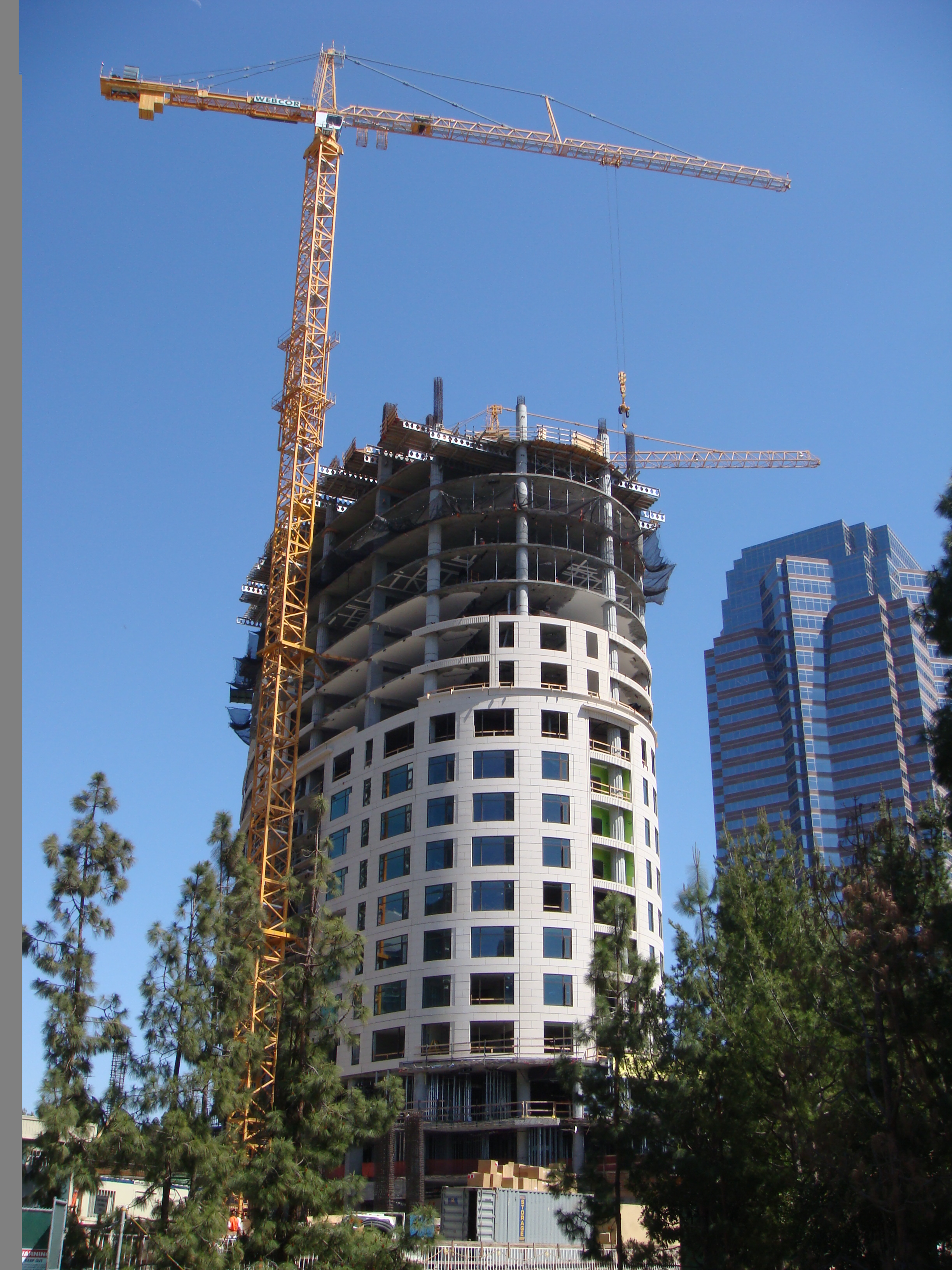
An elliptical masterpiece designed by world-renowned Robert A.M. Stern Architects ascends 42 stories into the skies of Century City. The Century boasts panoramic views stretching from downtown, to across the Santa Monica Mountains and the Pacific Ocean.

The Century is registered with the US Green Building Council with anticipated LEED Silver Certification, the benchmark for high-performance green building, which encompasses energy efficiency, sustainable building materials, water conservation and indoor environment quality.

Project Requirements and Solutions:
Several challenges faced the cold-formed metal stud components and the installers (metal stud framers) on this project. For this report we will focus on five key challenges:

1. WIND STUDY and COMPLIANCE
a. Project Requirements: Due to the buildings 42-story height and elliptical configuration a wind study was required and was performed by Cermak, Peterka and Petersen (CPP Inc.) Wind Engineering and Air Quality Consultants (PH: 970-221-3371). The results of the wind study required that the cold-formed metal stud framing components and assemblies withstand wind pressures up to 80 pounds per square foot. Keeping in mind the towers elliptical shape, it was especially difficult to [efficiently] design a jamb and header system at the door and window openings through out the tower.

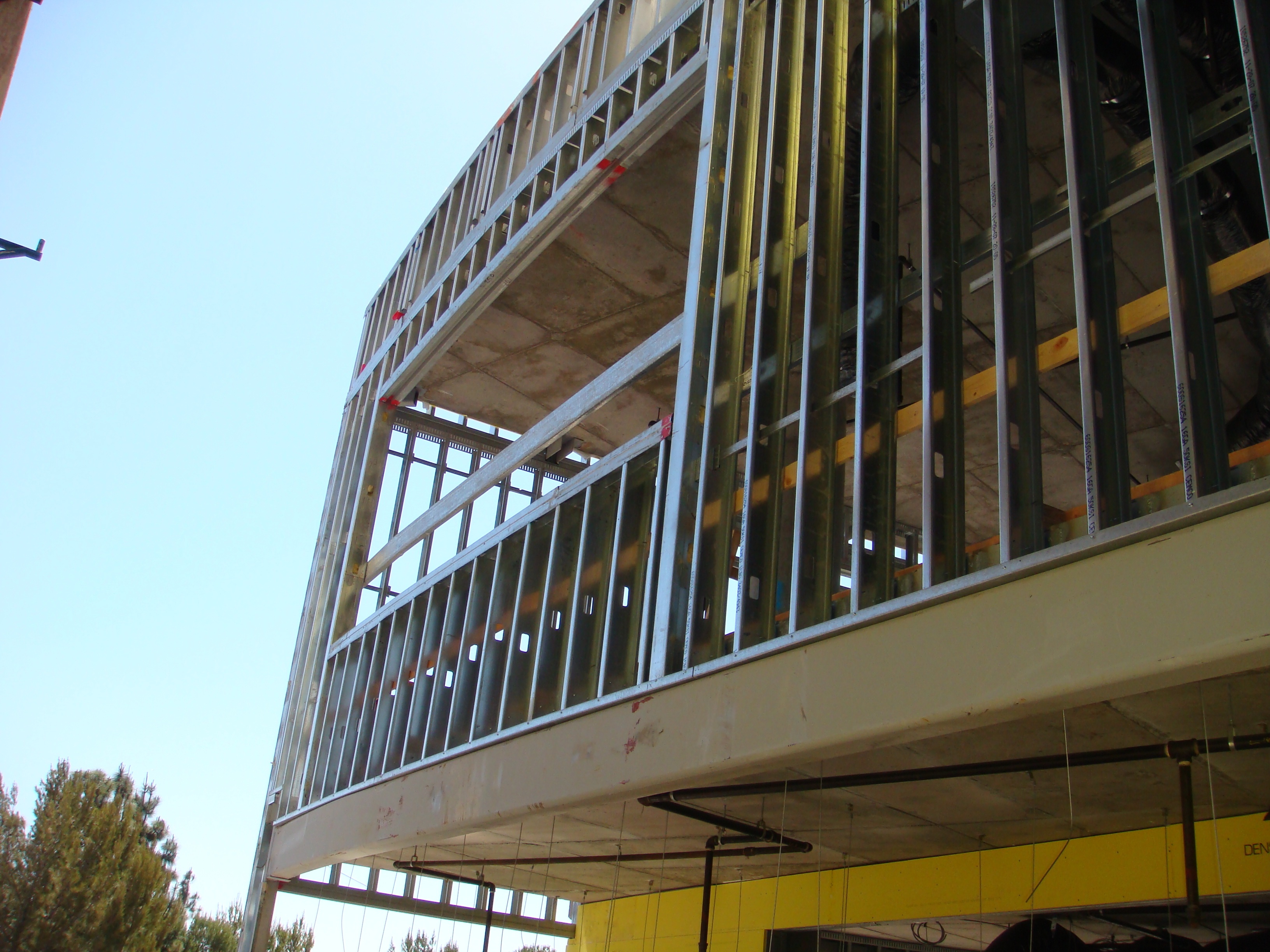
b. The Solution: The tower framing was designed to withstand wind pressures up to 80 pounds per square foot at designated locations. Efficiencies were gained by tailoring the designs of the exterior framing system to match the various wind pressure requirements around the building. At the towers (double glass siding doors) terrace openings Tom Castle designed radius'ed ProX Headers. The ProX Headers innovative design not only solved design and engineering limitations it also solved constructability (installation) and finished quality problems.
c. For material saving due to innovative product design see item 5 (i)

2. THE BUILDING'S ELLIPTICAL SHAPE
a. Project Requirements: The building was designed with an elliptical shape. This shape makes a beautiful building. However, cold-formed metal stud framing components are manufactured in straight pieces.
b. The Solution: Every framing component that installs horizontally must be radius'ed to match the building's contour. The radius changes depending upon location in the egg shaped building. This includes all exterior top and bottom tracks and header components. The ProX Headers used on the building exterior were radius'ed to match the building contour at various locations. The ProX Header innovative design does not require assembly, contrary to traditional built-up box headers, after it is "stretch formed" which solves many constructability (installation) and finished quality problems.

3. HAND-SET STONE OVER SPANDREL FRAMING
a. Project Requirements: Exterior "Low Rise" Spandrel Framing at the first 3 levels. The first (3) three levels of the tower are clad in hand set stone over structural steel spandrel framing, vertical tube steel and cold-formed metal stud infill framing was designed to support the weight of this 4 inch thick stone as well as wind and seismic loading while maintaining a strict deflection criteria.

b. The Solution: ProX Header was used at the top and bottom of the spandrel framing to carry the in-fill metal stud framing from the structural steel tube support to steel tube support. This application of the ProX Header replaced two (5) five piece traditional box headers. The ten (10) pieces were replaced with two ProX pieces, which resulted in significant time and material savings.

c. For material saving due to innovative product design see item 5 (ii)

4. MORE THAN 4,000 DOOR and WINDOW OPENINGS
a. Project Requirements: Interior "Door and Window Framing." Being a luxury condominium tower means thousands door openings throughout the building floors. The best quality finish is a must at the building interiors. There are approximately 100 door and window openings on every floor. The original plans called for built-up (stud and track) headers and jambs, which not only require excessive materials and man-hours of labor, but also prevent a superior quality finish.

b. The Solution: Brady Innovations and Martin Brothers/Marcowall designed upgraded 2-inch wide flange single jamb studs and ProX Headers at each of these 4,000 openings. This rough opening design provides the best quality framing substrate for the drywall and finishing crews, which results in a superior finished product for the buildings owner. The ProX Headers innovative design also eliminates countless hours of cutting which results in a safer work environment. Less cuts means less risk.

c. For material saving due to innovative product design see item 5 (iii)

5. GREEN BUILDING EFFORTS –(LEEDS)
a. Project Requirements: The Century is registered with the US Green Building Council with anticipated LEED Silver Certification, the benchmark for high-performance green building.

b. The Solution: Installing ProX Header in several of the above applications the overall construction realized a substantial savings in material usage. LESS raw materials, LESS manufacturing energies, LESS Trucking, LESS material cutting and handling and Better Safety too.

i. At the Exterior Tower: ProX Header vs. Built-up stud & track headers—640 studs were eliminated from this project by using ProX Header.

ii. At the Exterior Low Rise: ProX Header (2 pieces.) replaced built-up (10 pieces) stud & track headers—1,440 studs were eliminated from this project by using ProX Header.

iii. At the Interior: ProX Header replaced built-up stud & track headers saving 2,000 studs—2-inch wide flange single jamb studs replaced double jamb studs saving an additional 8,000 studs = 10,000 studs were eliminated from this project by using ProX Header.

The ProX Header is Better by Design:
The ProX design has saved countless man-hours of time and solved many issues of constructability on this project alone. The ProX design offers Better Production, Better Safety, Better Quality and it's Better for the Environment too.


Sidebar: PROJECT DETAILS

The ProX Header was use extensively in both the interior and exterior of the Century Tower.

Project Name: "The Century"
Location: Century City, Los Angeles County, Calif.
Construction Schedule: April 2007 through August 2009
Project (Structural) Engineer: Magnusson Klemencic Associates, 1301 Fifth Ave. Suite 3200 Seattle, Wash. 98101-2699, (206) 292-1200
Project Architect: HKS Architects, Inc., 9441 West Olympic Blvd., Beverly Hills, Calif., 90212, (310) 788-7700
Project Owner: The Related Companies, 60 Columbus Circle, New York, N.Y. 10023, (212) 421-5333 and/or The Related Companies, 18201 Von Karman Ave., Suite 900, Irvine, Calif., 92612, (949) 660-7272
General Contractor: WebCor Builders, 550 South Hope Street, Los Angeles, Calif., 90071, (213) 239-2800
Consultants and their Roles: Ficcadenti Waggoner & Castle, Consulting Structural Engineers 3100 Oak Road, Suite 390 Walnut Creek, Calif., 94597, (925) 280-0098; Tom Castle S.E., Principal Design of Cold Formed Steel Components
Cold-Formed Metal Stud Framing Contractor: Martin Brothers/MarcoWall Inc., 17104 South Figueroa. St., Gardena, Calif., 90247, (310) 532-5335 Bryan Mac - Project Manager
Cold-Formed Steel Manufactures: Dietrich Metal Framing (under license from Brady) Brady Innovations LLC, 13969 Aubrey Road, Beverly Hills, Calif. 90210, (818) 288-1188 – Todd Brady, President


Sidebar: Specific Uses of Cold-Formed Steel in Construction


Figure 1
The specific use of cold-formed steel for the purpose of this application is focused on the innovative design and construction installation of the ProX Header as described above. Please see the attached photos as evidence of it production, safety and quality efficiencies. As you can see, the ProX design has these benefits designed right into it's innovative shape.

Figure 1: The Century Tower 18 of 42 Floors under Construction – Date: May 2008


Figure 2
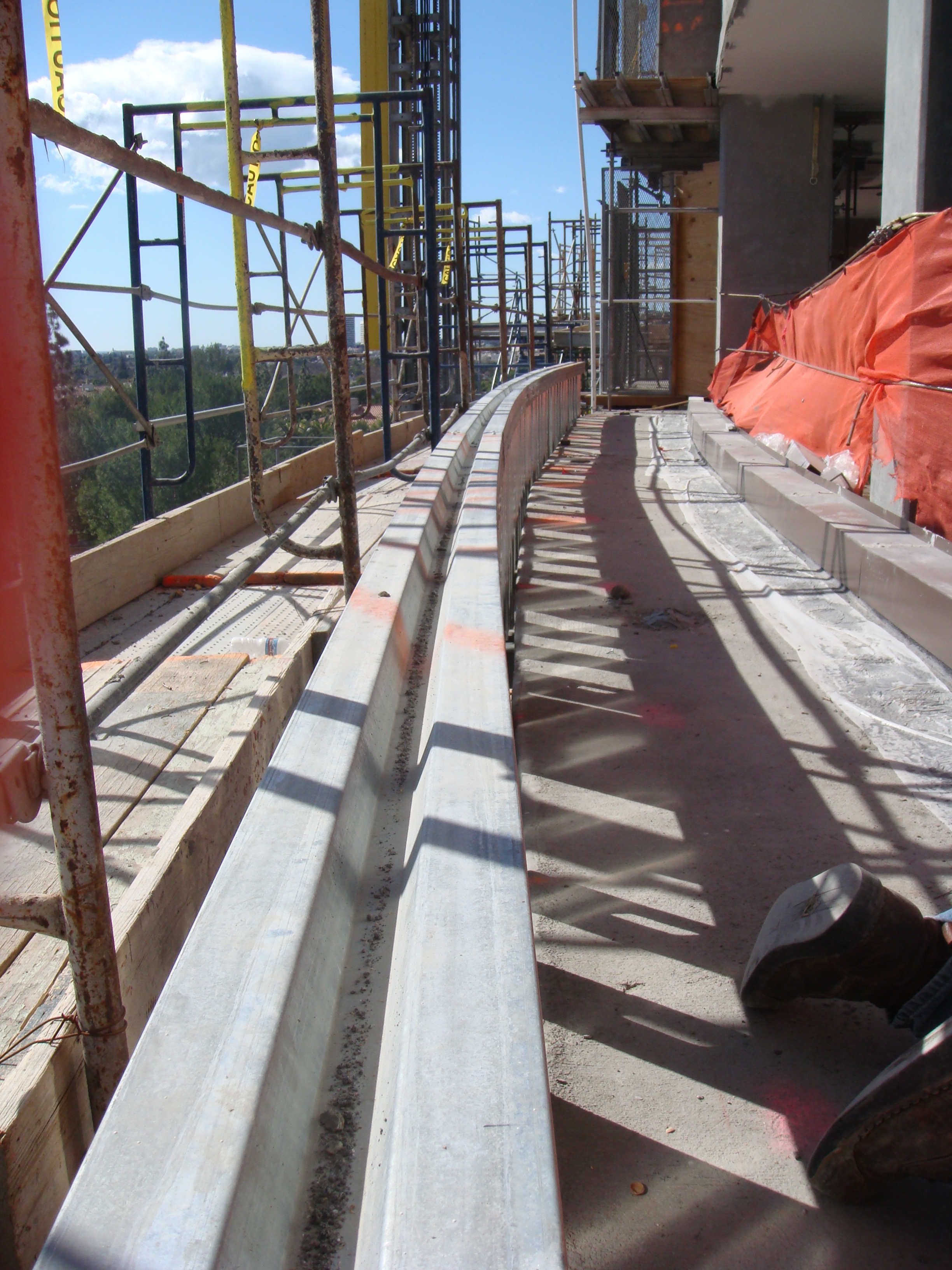
Figure 2: ProX Header at exterior radius'ed spandrel. This application shows a ProX Sill (Header installed upside-down) and replaced a five-piece built-up assembly. The bottom of the spandrel frame also uses a ProX Header.


Figure 3
Figure 3: ProX Header At exterior terrace framing. These locations were also radius'ed at the egg shaped ends of the building. Most ProX Headers were scheduled as single 16 gauge pieces. However, at longer spans it is sometimes necessary to use the ProX Insert too.


Figure 4
Figure 4: ProX Header at the exterior side of the Towers Terrace walls shows how nice and flat the trims lay for a superior quality exterior plaster finish.


Figure 5
Figure 5: Aluminum reveals intergraded into the lath and plaster system install flush and flat with out shimming which is traditionally required due to framing material build-up at the header to jamb connection.


Figure 6
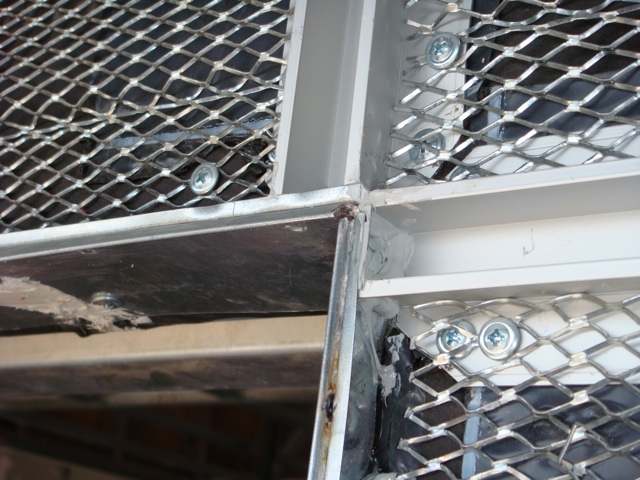
Figure 6: Exterior Radius'ed window rough openings at the low-rise portion of the project was completed with radius'ed ProX Headers and sills in-lieu-of built-up (stud and track) sections, which are nearly impossible to radius.


Figure 7
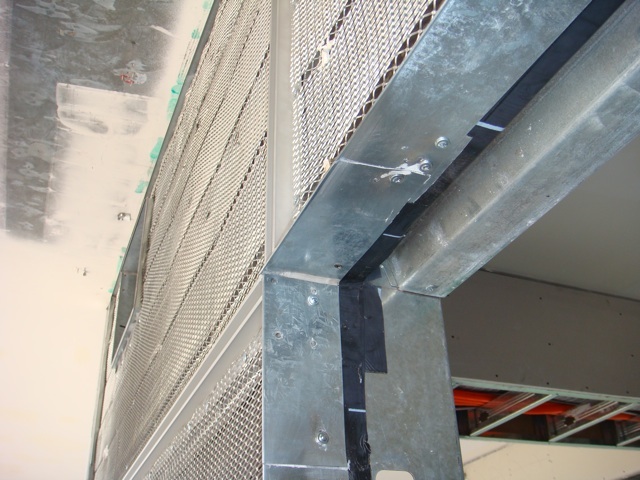
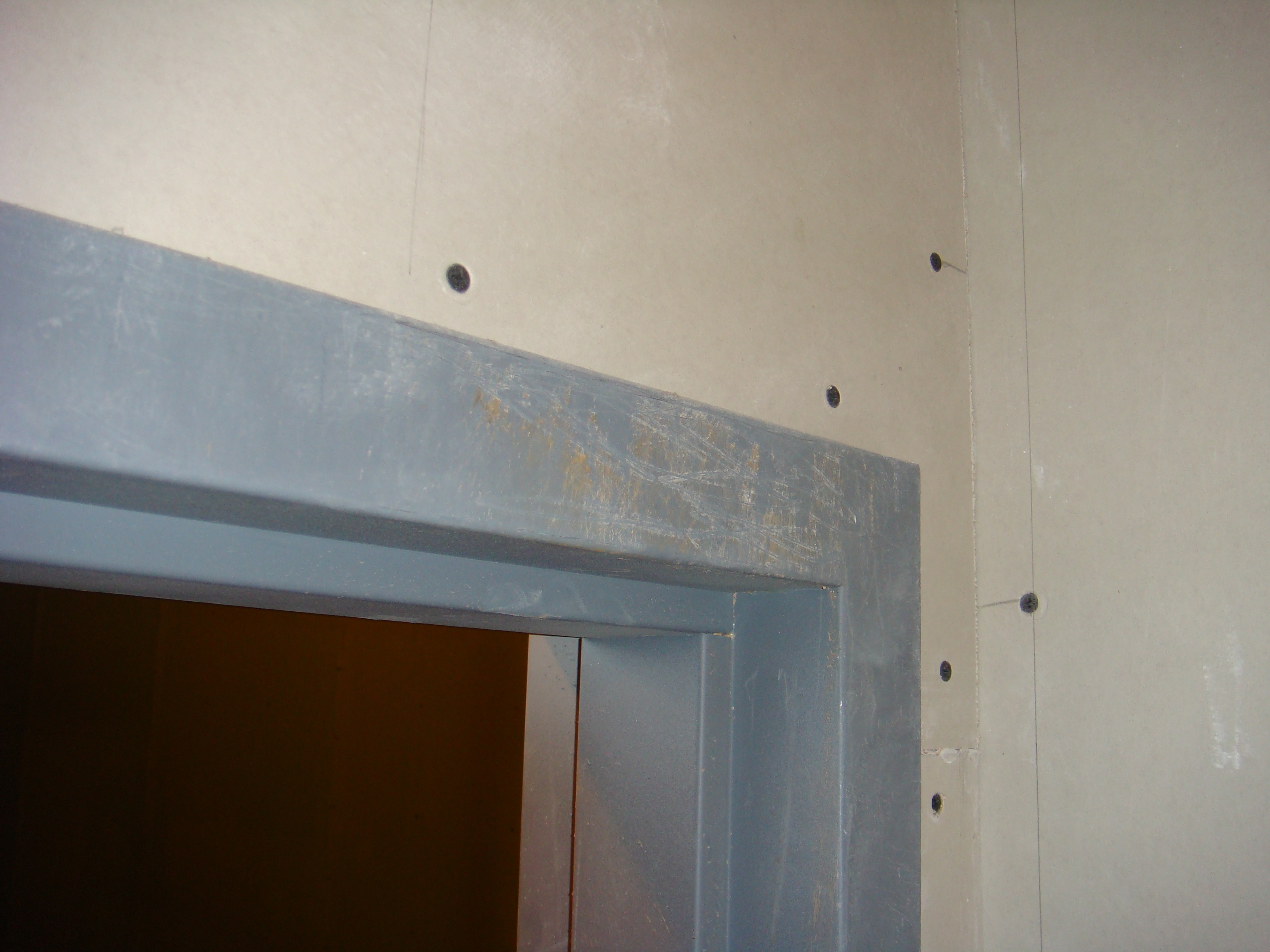
Figure 7: Interior rough openings were accomplished using 20-gauge by 2 inch wide flange single jamb studs and 20 gauge single piece ProX Headers. The ProX Clip is internal for a smooth flush drywall finish. At double doors a single piece 16-gauge ProX Member was used, the gauge was upgraded for the additional span.


Figure 8
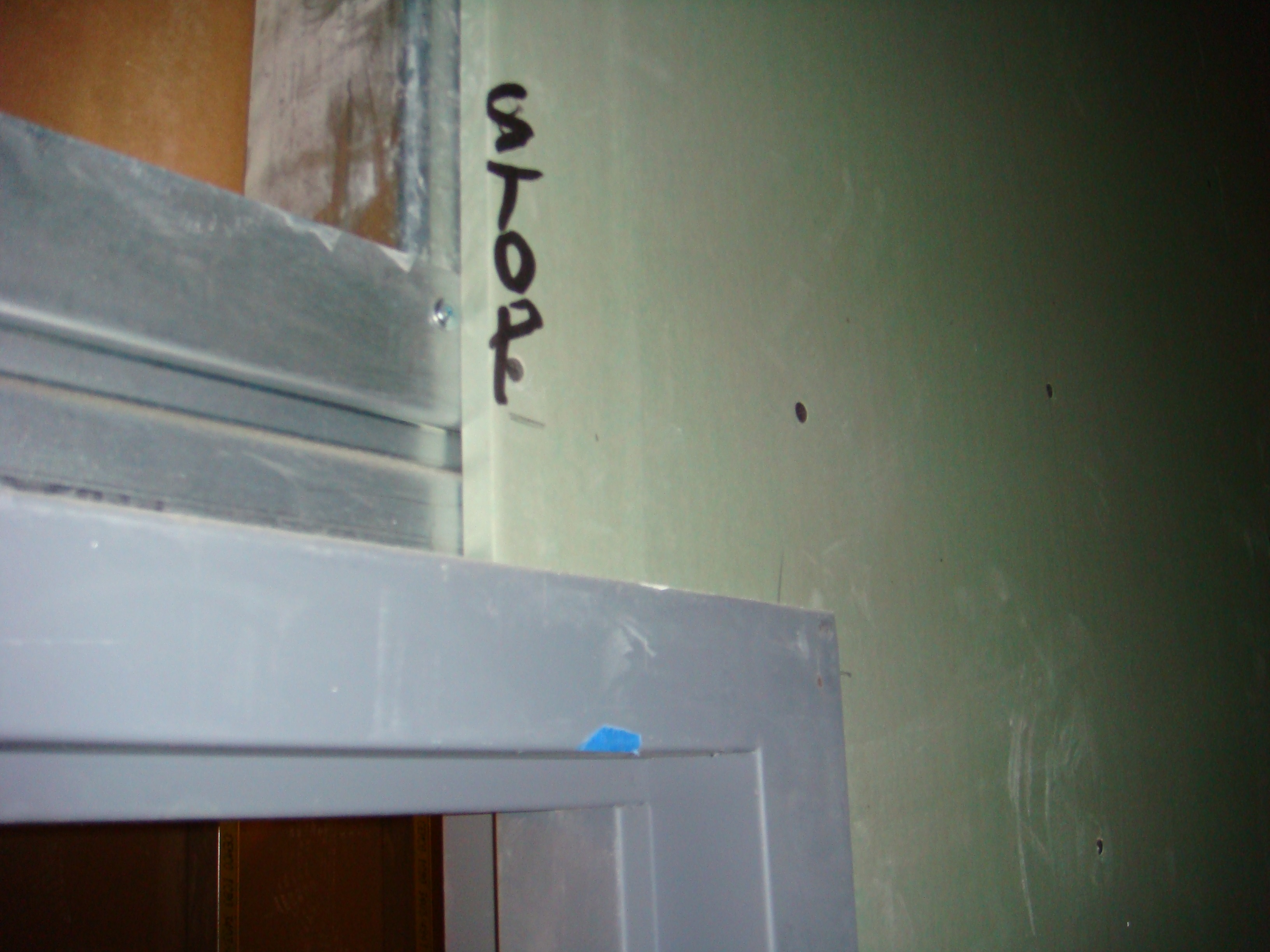
Figure 8: The drywall installed over the cold-formed metal stud framing and behind the (HMF) Hollow Metal Frame to create a 1-hour fire rated wall assembly.


Figure 9
Figure 9: With traditional headers the thin rips of drywall in corners like these almost always fractures and causes excessive rework. The quality of this corner with the drywall installed over ProX Header is superior in many ways.


Visit the website at www.proxheader.com.


--
Scott's Contracting installs metal framing for your Eco Friendly and Sustainable Construction Projects for the St Louis Region.

Connect with Scotts Contracting

FB FB Twitter LinkedIn Blog Blog Blog Blog Pinterest

Featured Post

Perfect Aircrete, Kitchen Ingredients.